Xiaomi's HyperOS 4 supports photos, messages, and files sync with iPhone
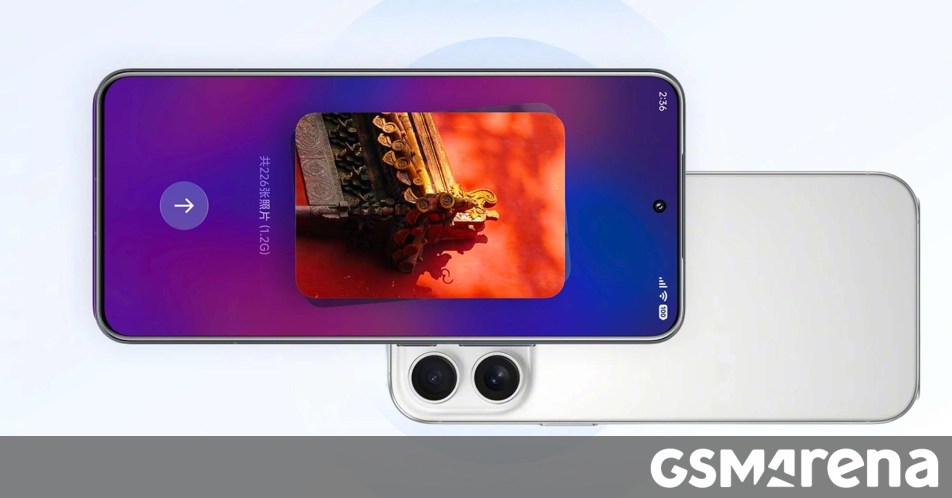
The boundary between competing mobile ecosystems has traditionally been defined by high walls and proprietary protocols. For years, users who attempted to bridge the gap between Android and iOS found themselves navigating a landscape of fragmented workarounds, third-party cloud services, and cumbersome file transfer methods. However, Xiaomi is aiming to fundamentally alter this dynamic with the introduction of HyperOS 4. This latest iteration of Xiaomi’s operating system represents a significant strategic pivot, offering a level of integration with Apple’s iOS that was previously considered unlikely in the smartphone industry.
The debut of HyperOS 4, which first appeared on the flagship Xiaomi 18 Pro Max, signals a move toward cross-platform interoperability. Rather than forcing users to choose strictly between one ecosystem or the other, Xiaomi is positioning its devices as companions to the Apple hardware many consumers already own. This deep integration is designed to reduce the friction often associated with "mixed" households or professionals who use a Mac for work but prefer the hardware flexibility of a Xiaomi smartphone.
Seamless Media and Data Synchronization
At the core of this update is the ability to share essential data types—including photos, files, contacts, and web pages—directly with an iPhone. Historically, the "walled garden" approach of iOS has made AirDrop-style functionality nearly impossible for non-Apple devices without third-party software. HyperOS 4 addresses this by embedding sharing capabilities directly into the system architecture, allowing for a more fluid exchange of information.
Perhaps the most significant addition for photography enthusiasts is the support for cloud photo album synchronization across both platforms. Users will be able to view their Xiaomi cloud albums on an iPhone and vice versa. This eliminates the need to manually export high-resolution images or rely on middle-man apps to keep a unified gallery. By allowing media to exist natively in the viewable space of both devices, Xiaomi is effectively removing one of the primary "lock-in" mechanisms that prevents users from switching or diversifying their mobile hardware. Furthermore, the ability to sync contacts and web pages ensures that a browsing session started on a Xiaomi 18 Pro Max can be continued on an iPhone without missing a beat.
Real-Time Communication and Two-Way Sync
Beyond static file sharing, HyperOS 4 introduces a sophisticated two-way sync system that handles real-time communication. One of the persistent pain points for multi-device users is the fragmentation of notifications. Xiaomi’s new software addresses this by allowing real-time notifications and instant message replies to function across the two ecosystems. This means that a user could receive a message on their Xiaomi device and respond via an interface that bridges the gap to their Apple device.
This level of synchronization suggests a deep level of background processing and API integration. By facilitating instant message replies across platforms, Xiaomi is targeting power users who require constant connectivity regardless of which device is currently in their hand. This feature effectively treats the iPhone and the Xiaomi handset as part of a single, unified communication hub rather than two isolated silos. For the professional market, this reduces the "notification fatigue" of checking multiple devices for the same alerts, as the two-way sync ensures that an action taken on one device is reflected on the other.
Bridging the Desktop Gap with Mi Connect
The integration efforts extend beyond the iPhone to include the broader Apple hardware ecosystem, specifically Mac and iPad users. Through the Mi Connect Desktop app, Xiaomi is enabling a feature set that mirrors Apple’s own "Continuity" and "Universal Control" features. Mac and iPad owners will be able to control their Xiaomi phone directly through their larger screens. This includes the ability to mirror the phone’s display, interact with mobile applications using a mouse and keyboard, and manage files through a desktop interface.
This functionality is particularly relevant for developers and creative professionals who utilize the macOS environment but require the specific hardware capabilities or testing environments of a Xiaomi device. By allowing the Xiaomi 18 Pro Max to be operated from an iPad or a MacBook, Xiaomi is making its hardware more attractive to the "prosumer" demographic. The Mi Connect Desktop app serves as the bridge, ensuring that the transition from a mobile task to a desktop task is as seamless as possible, further eroding the traditional barriers between Android-based hardware and Apple’s software suite.
Deployment Timeline and Technical Requirements
While the features debuted alongside the Xiaomi 18 Pro Max, the company is preparing for a much larger rollout. The expanded release of these cross-system features is expected to begin on October 15. This rollout will likely cover a broader range of compatible handsets within the Xiaomi portfolio, bringing these interoperability tools to a wider global audience.
However, users looking to take advantage of these features must meet specific technical requirements. To enable the bridge between HyperOS 4 and iOS, users will need to install Xiaomi’s dedicated connectivity app on their devices. Additionally, the system relies on a shared Xiaomi account to authenticate and secure the data transfer between the two platforms. This account-based approach ensures that the synchronization remains private and secure, leveraging Xiaomi’s cloud infrastructure to manage the hand-off between the Android and Apple environments. As the October 15 date approaches, the tech industry will be watching closely to see how this unprecedented level of cooperation between rival systems impacts consumer loyalty and ecosystem migration.
Source: Written by the TechX team based on GSMArena reporting.

Post a Comment for "Xiaomi's HyperOS 4 supports photos, messages, and files sync with iPhone"