iFixit finds the Apple Watch Series 12 and Ultra 4 still very difficult to repair
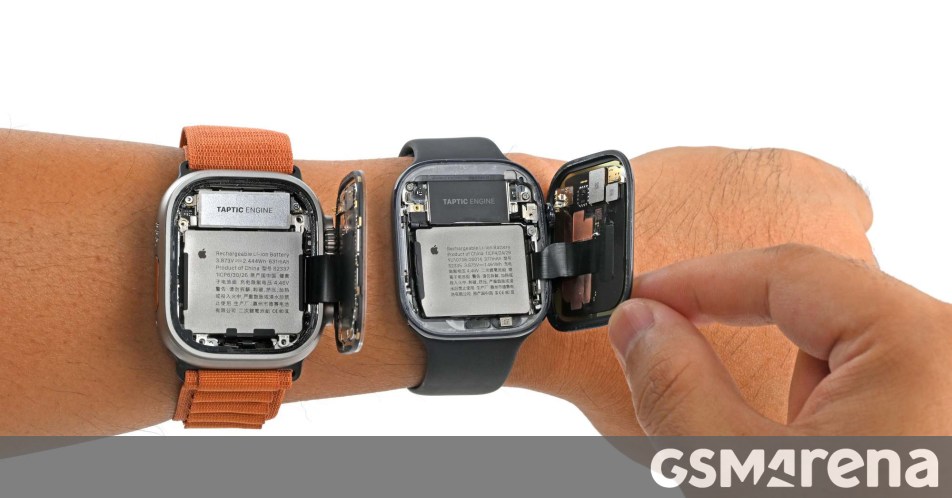
The annual release of new Apple hardware is invariably followed by a rigorous inspection from the experts at iFixit. This year, the spotlight has turned to the Apple Watch Series 12 and the Watch Ultra 4. While these devices represent the pinnacle of Apple’s wearable engineering, iFixit’s latest teardowns reveal that their internal architecture remains a formidable barrier to independent maintenance. Despite minor refinements, both devices continue to pose significant challenges for consumers and third-party repair shops, raising persistent questions about the company’s commitment to the Right to Repair movement.
Incremental Gains for the Apple Watch Series 12
The Apple Watch Series 12 managed to secure a repairability score of 4/10, a marginal improvement over the Series 11. This slight uptick in the score is attributed to a few specific design adjustments. Most notably, Apple has implemented a stretch-release adhesive for the battery, a welcome change that makes removing the power cell considerably easier than in previous iterations. Furthermore, the integration of a simplified display connector suggests an intent to streamline the internal layout.
However, these improvements are countered by fundamental design flaws. The primary point of entry for any internal repair remains the display. Because the watch must be opened through the screen, technicians face a high risk of damaging the display panel during the disassembly process. Additionally, the new connector design introduces a secondary frustration: even if a user only needs to replace the screen, the battery must also be removed. This coupling of components creates an unnecessary dependency, complicating what should be a straightforward part replacement.
The Stagnation of the Apple Watch Ultra 4
If the Series 12 offers a glimmer of progress, the Apple Watch Ultra 4 represents a complete standstill. The device’s repairability profile has not changed since its predecessor, maintaining the same restrictive architecture that has long frustrated the DIY community. Accessing the battery on the Ultra 4 remains an arduous task that requires heating the device to soften the adhesive before prying off the display.
The exterior of the Ultra 4 is somewhat deceptive; while the back of the watch features four screws, removing them does not grant access to the motherboard or the battery. Instead, these screws only provide access to the sensor array. Consequently, the battery—the component most likely to degrade over time—remains trapped behind a glued-down display. Beyond the technical difficulty, this invasive process carries a significant functional risk: it threatens the integrity of the watch’s waterproofing, a critical feature for a device marketed as an "Ultra" rugged wearable. Once the seal is broken, restoring the original water-resistance rating is virtually impossible outside of a factory-authorized environment.
Right to Repair and the Regulatory Landscape
The findings from these teardowns extend beyond mere hardware critique; they touch upon a growing legal and ethical conflict. iFixit has argued that the current design of Apple’s wearables may be in direct conflict with Right to Repair legislation recently enacted in states such as California, New York, and Oregon. These laws are intended to ensure that consumers have access to the materials necessary to repair their own electronics, yet Apple’s current ecosystem for the Watch remains largely closed.
The primary points of contention include:
- Lack of Documentation: Unlike its iPhones, iPads, and Mac computers, Apple does not provide the public with the same level of repair manuals for its Watch lineup.
- Restricted Spare Parts: Genuine, original components are not readily available to the general public or independent repair shops.
- Tooling Barriers: The proprietary nature of the assembly means that the specialized tools required to perform a safe repair are not marketed or distributed by the company.
For the average user, these factors effectively mandate that any repair—even a simple battery swap—must be handled by an authorized service provider. By tying the longevity of the device to such a restrictive service model, Apple continues to create a landscape where the cost of repair often nears the cost of a replacement, potentially incentivizing premature upgrades over device maintenance.
Conclusion
The iFixit assessment serves as a stark reminder that while Apple continues to refine the external aesthetics and processing power of its wearables, the internal "serviceability" remains an afterthought. Until the company shifts its design philosophy to prioritize modularity and user-accessible components, the Apple Watch Series 12 and Ultra 4 will remain among the most difficult consumer electronics to maintain. As legislative pressure mounts across the United States, it remains to be seen whether Apple will eventually bring its wearable repair policies in line with its more accessible product lines.
Source: Written by the TechX team based on GSMArena reporting.

Post a Comment for "iFixit finds the Apple Watch Series 12 and Ultra 4 still very difficult to repair"