Here's how thin the iPhone Air 2 will be despite having better battery life than its predecessor
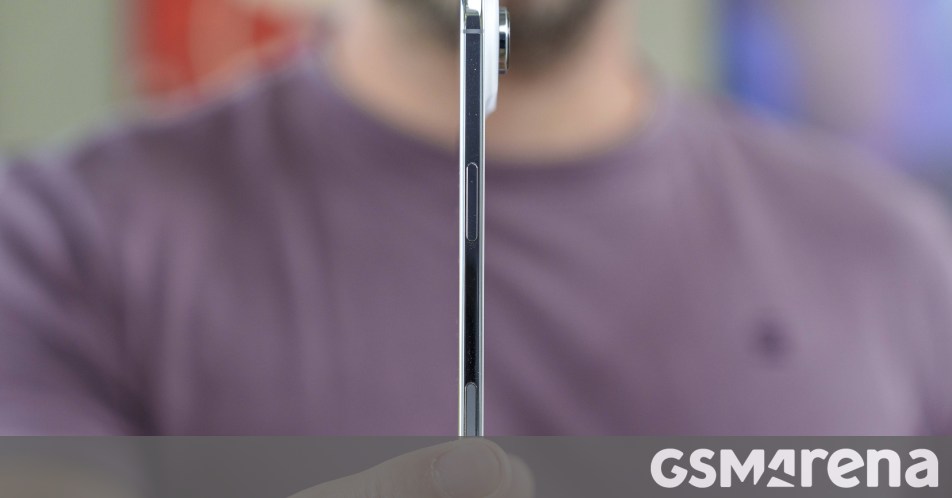
Engineering the Future: The iPhone Air 2’s Slim Profile
Apple’s strategy for the iPhone Air line has always been centered on the pursuit of minimalism, and the upcoming iPhone Air 2 looks set to push these boundaries even further. According to the latest industry reports, the device is expected to measure a mere 5.2mm in thickness. This represents a 0.4mm reduction compared to the original iPhone Air released in 2025, which measured 5.6mm. While a fraction of a millimeter may seem negligible to the casual observer, achieving this level of thinness in a smartphone is a significant feat of mechanical engineering, particularly when the predecessor was already pushing the limits of current hardware capabilities.
The device is slated for a spring launch, coinciding with the broader iPhone 18 and iPhone 18e lineup. Despite the aggressive reduction in chassis size, Apple is reportedly maintaining the premium build quality users have come to expect. The iPhone Air 2 will retain the titanium frame first introduced with the original model, balancing the need for structural rigidity with the lightweight, thin aesthetic that defines the series.
Advanced Battery Technology in a Compact Chassis
One of the most persistent criticisms leveled at the original iPhone Air was its battery performance, which often struggled to keep pace with the power demands of modern mobile users. Furthermore, the limited rear camera setup—consisting of only a single lens—was a point of contention for many consumers. The upcoming iteration appears to be a direct response to these pain points.
Reports suggest that the iPhone Air 2 will feature improved battery life over its predecessor, despite the thinner frame. The secret to this improvement lies in the integration of high-density battery technology, mirroring the hardware advancements seen in the flagship iPhone 18 Pro and iPhone 18 Pro Max models. While users should not expect a massive jump in total capacity, the shift to higher energy density materials allows Apple to extract more power from a smaller physical footprint. This optimization is critical for a device that prioritizes portability above all else.
Under the Hood: Performance and Connectivity
While the exterior of the iPhone Air 2 will see refinement, the internal specifications suggest a significant performance boost. The device is expected to be powered by the A20 Pro chip, placing it in the same performance tier as the iPhone 18 Pro and Pro Max. This ensures that the Air 2 will not be a "lite" device in terms of processing power, even if its physical design suggests a more specialized, slimmed-down form factor.
Beyond raw computing power, the device will also benefit from several key upgrades to its connectivity and imaging capabilities:
- Wireless Networking: The iPhone Air 2 is expected to incorporate Apple’s C2 modem and N2 chip, streamlining wireless performance and power efficiency.
- Imaging Upgrades: Apple is reportedly addressing the camera limitations of the original model by introducing a 48MP ultrawide lens, providing more versatility than the single-camera setup of its predecessor.
- Display and Memory: Despite the internal upgrades, the device will retain the same screen technology, RAM configuration, and selfie camera hardware as the original iPhone Air.
- Design Continuity: The device will adopt the smaller Dynamic Island layout currently utilized by the iPhone 18 Pro and iPhone 18 Pro Max, providing a more refined visual interface compared to older iterations.
Market Positioning and Strategic Outlook
The decision to launch the iPhone Air 2 alongside the iPhone 18 and 18e indicates that Apple is positioning the Air series as a distinct category for users who prioritize design and weight over the multi-lens camera arrays and massive battery packs found in the Pro Max models. By maintaining the same RAM and selfie camera specs as the first-generation Air, Apple is likely focusing its manufacturing resources on the core improvements that matter most to the target demographic: thinner dimensions, better battery density, and a more capable secondary camera.
As the spring launch approaches, the iPhone Air 2 stands as a testament to Apple’s ongoing commitment to industrial design. By successfully balancing a thinner frame with a high-density battery and a more powerful chipset, the company aims to rectify the shortcomings of the original model while doubling down on the "Air" philosophy. For power users who find traditional Pro models too cumbersome, the iPhone Air 2 could represent the ideal middle ground between performance and portability.
Source: Written by the TechX team based on GSMArena reporting.

Post a Comment for "Here's how thin the iPhone Air 2 will be despite having better battery life than its predecessor"