AI Phones in 2026: How On-Device AI Is Changing Everyday Use
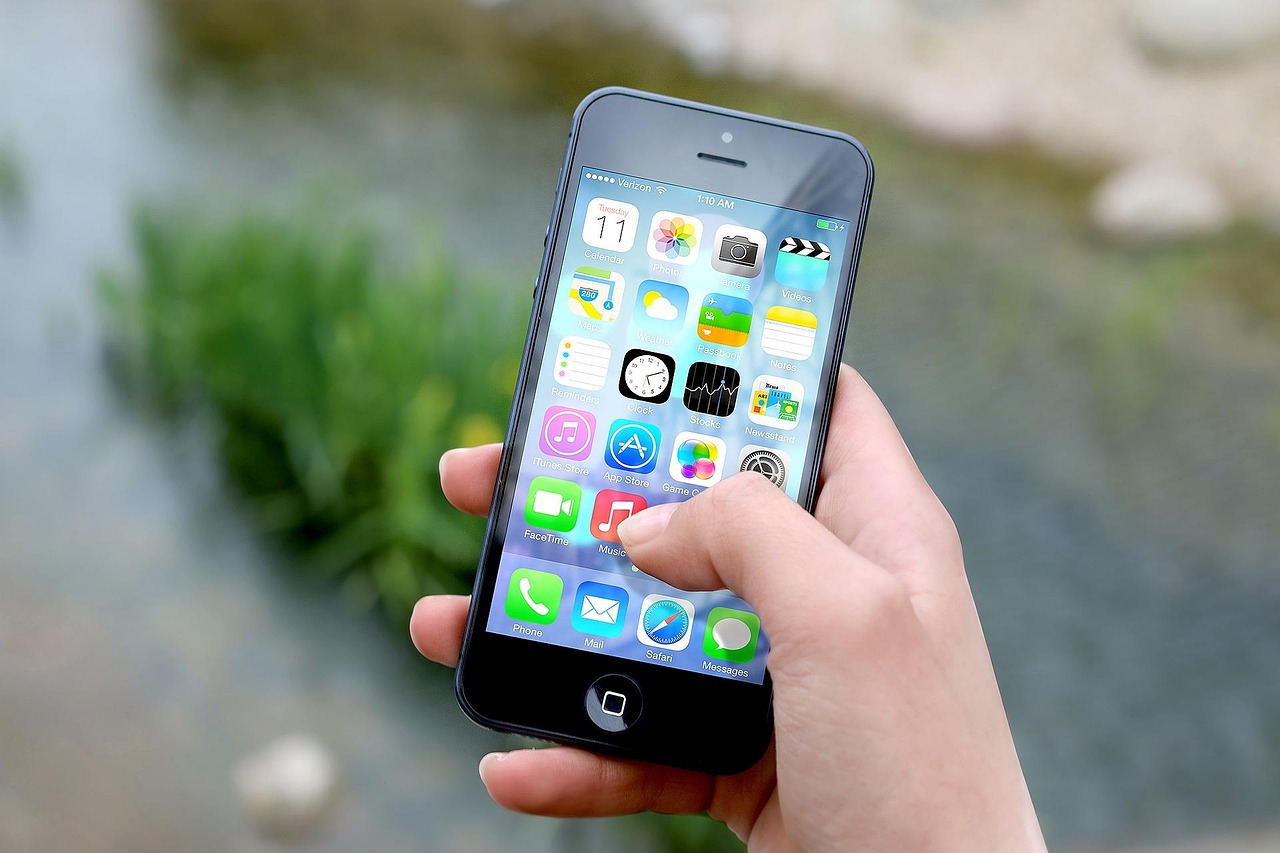
The term "AI phone" has shifted from a marketing buzzword into a tangible hardware standard. By 2026, the integration of artificial intelligence into mobile devices has moved away from remote servers and onto the silicon inside our pockets. This shift toward on-device AI is fundamentally changing how we interact with our screens, prioritizing speed and privacy over constant cloud connectivity.
The Engine: Understanding the Neural Processing Unit
At the heart of every modern AI phone is a specialized piece of hardware called the Neural Processing Unit, or NPU. While the Central Processing Unit (CPU) handles general tasks and the Graphics Processing Unit (GPU) manages visuals, the NPU is designed specifically for the complex mathematical calculations required by machine learning models.
By delegating AI tasks to the NPU, a phone can process data much more efficiently. In 2026, these chips are optimized to handle "inference," which is the process of a pre-trained AI model making a prediction or decision based on new data. Because the NPU is built for this specific type of work, it can perform billions of operations per second while using significantly less power than a traditional processor would for the same task.
Enhanced Creativity and Communication
Photo editing is perhaps the most visible area where on-device AI shines. Instead of simple filters, phones now use AI to understand the context of an image. This allows for sophisticated "generative" edits, such as removing distracting objects from a background or expanding the borders of a photo by predicting what the surrounding scenery should look like. Because this happens on the device, the results are nearly instantaneous.
Communication has also seen a major upgrade. Real-time translation is now common, allowing users to have fluid conversations with people speaking different languages. This applies to live phone calls, text messages, and even face-to-face interactions where the phone acts as a digital interpreter. Furthermore, AI-driven search and summarization tools can now scan long articles or voice recordings to provide concise bullet points of the most important information.
The Benefits of Local Processing
The primary advantage of running AI locally rather than in the cloud is privacy. When a phone processes a voice recording or a private photo on its own hardware, that data never leaves the device. This eliminates the risk of sensitive information being intercepted or stored on a third-party server. For many users, this makes features like AI-powered personal journals or health trackers much more viable.
Speed is the second major benefit. Cloud-based AI requires a stable internet connection and must wait for data to travel to a server and back. On-device AI removes this "latency," allowing voice assistants to respond immediately and search queries to be resolved even when the phone is in airplane mode or in an area with poor cellular reception.
The Trade-offs: Battery and Memory
Despite the efficiency of the NPU, on-device AI is not free of costs. Running complex models requires a significant amount of power, which can lead to faster battery drain if used heavily throughout the day. Manufacturers are constantly balancing the "weight" of an AI model against the physical capacity of the phone's battery.
Memory is another critical factor. To run smoothly, AI models need to be stored in the phone’s Random Access Memory (RAM). This means that AI phones in 2026 generally require more RAM than older models just to maintain the same level of system performance. If a phone has insufficient memory, users may experience sluggishness or find that background apps close more frequently to make room for AI tasks.
What to Look for in a 2026 AI Phone
If you are in the market for a new device, it is important to look beyond the "AI" label. Not all AI features are created equal, and some may still rely on the cloud despite the phone’s hardware capabilities. When comparing models, pay attention to these specific areas:
- NPU Performance: Look for benchmarks or manufacturer data regarding the NPU's efficiency and speed.
- RAM Capacity: Higher RAM is essential for running large AI models locally without slowing down the rest of the interface.
- Privacy Disclosures: Check which features are processed "on-device" versus those that require data to be sent to a server.
- Battery Life: Read reviews to see how much the AI features impact daily battery longevity.
On-device AI has reached a point where it is no longer a luxury but a core part of the smartphone experience. While the hardware demands on battery and memory are real, the gains in privacy, speed, and functionality provide a clear benefit. The best AI phone in 2026 is one that uses its NPU to make tasks easier and faster without compromising the user's data security.
Image via Pixabay (niekverlaan).

Post a Comment for "AI Phones in 2026: How On-Device AI Is Changing Everyday Use"